Laura and Delta rewrote a lot of assumptions in this area. What we changed about how we build, and the details that separate a structure that rides out a storm from one that does not.
Everybody in Southwest Louisiana has a storm story. Around here, building for wind is not a premium upgrade — it is the baseline expectation, and it shows up in a hundred small decisions rather than one big one.
The load path is the whole ballgame
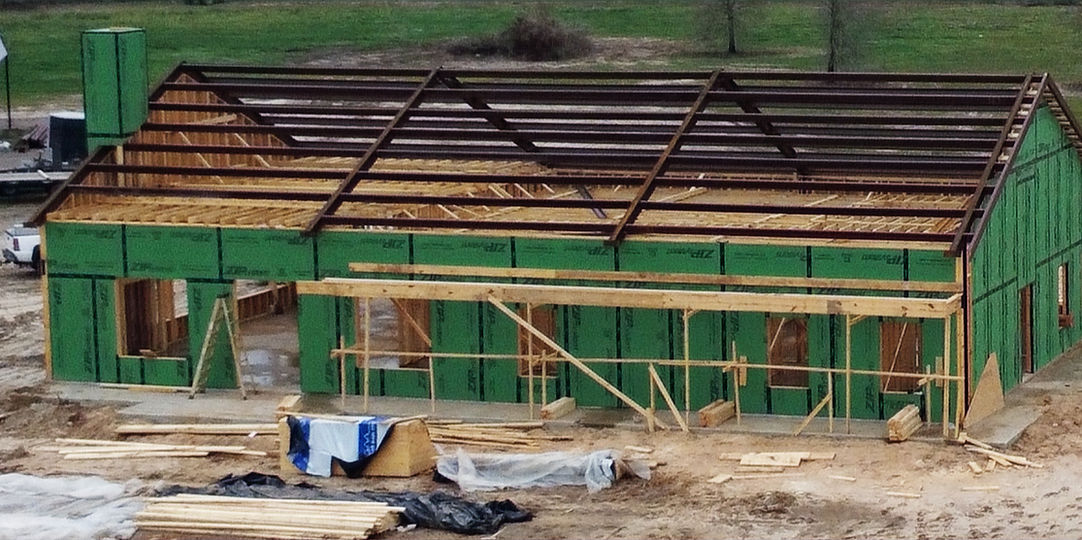
Wind uplift tries to peel a building apart from the top down. What resists it is a continuous connection from the roof, through the walls, into the foundation. Every link in that chain has to be intentional. A strong roof connected to a weak wall connection is just a well-built kite.
- —Roof-to-wall connections rated for the design wind load, not just toe-nailed
- —Wall-to-foundation anchorage sized and placed per the engineering, and actually inspected before the pour covers it
- —Sheathing fastener pattern followed exactly — nail spacing is engineering, not a suggestion
- —Garage doors and large openings rated appropriately; a failed garage door pressurizes the building from the inside
Water gets in where wind gets in
Most of the damage people deal with after a storm is water damage that started with a small wind failure. Sealed roof decks, properly lapped flashing, and correctly installed window and door details do more for you over a thirty-year ownership than almost anything else on the list.
Elevation and drainage
Wind gets the headlines and water does the damage. Where the structure sits relative to the surrounding grade and the flood zone is a decision you make once, at the very beginning, and cannot easily change later. Get your flood zone determination and elevation requirements confirmed with your parish and your insurer before you finalize the pad height.

Why we build Super Homes
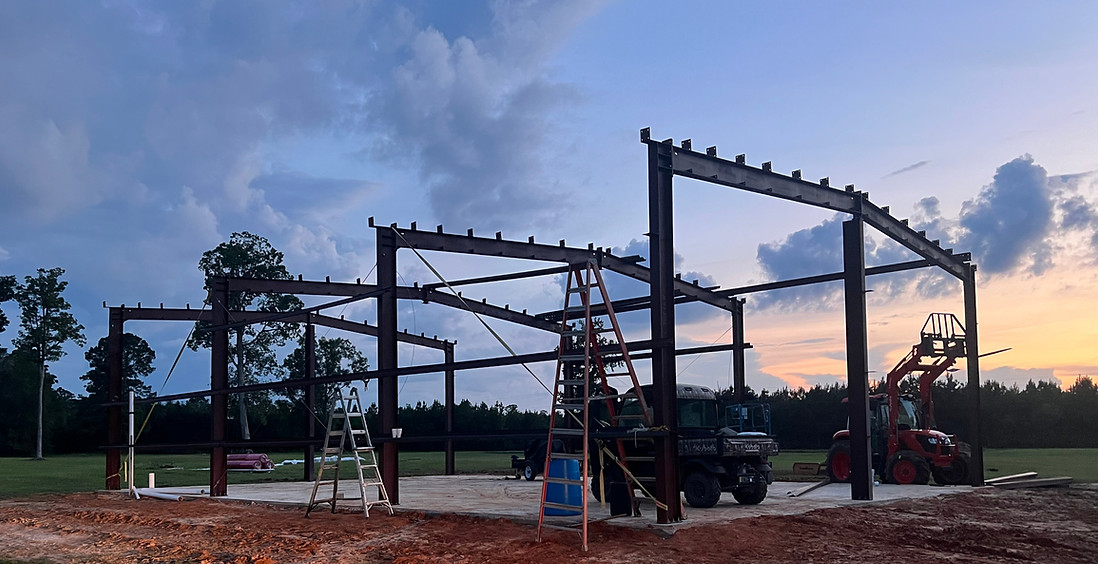
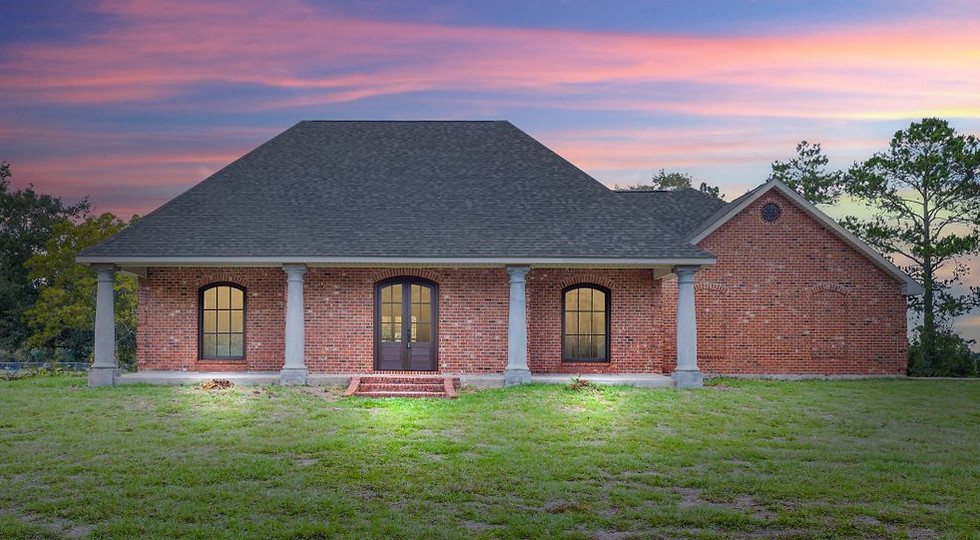
Our Super Homes are steel reinforced — commercial strength with residential beauty. The idea is simple: build a house with the structural approach normally reserved for commercial buildings, and finish it so it still looks and lives like a home. You are not trading comfort for durability.
You do not want to think about your structure during a storm. That peace of mind is the product.
Specific wind-load requirements depend on your exact location and the code edition your jurisdiction has adopted. We work those numbers with the engineer for every project — ask us and we will walk you through what applies to your lot.